The pharmaceutical industry operates under stringent regulations, complex supply chains, and high demand for precision. In such a challenging environment, implementing ERP for pharmaceuticals becomes crucial. ERP systems integrate various business functions, enabling seamless operations, compliance adherence, and efficient resource allocation. This article delves into the challenges, benefits, and future prospects of ERP in the pharmaceutical sector.
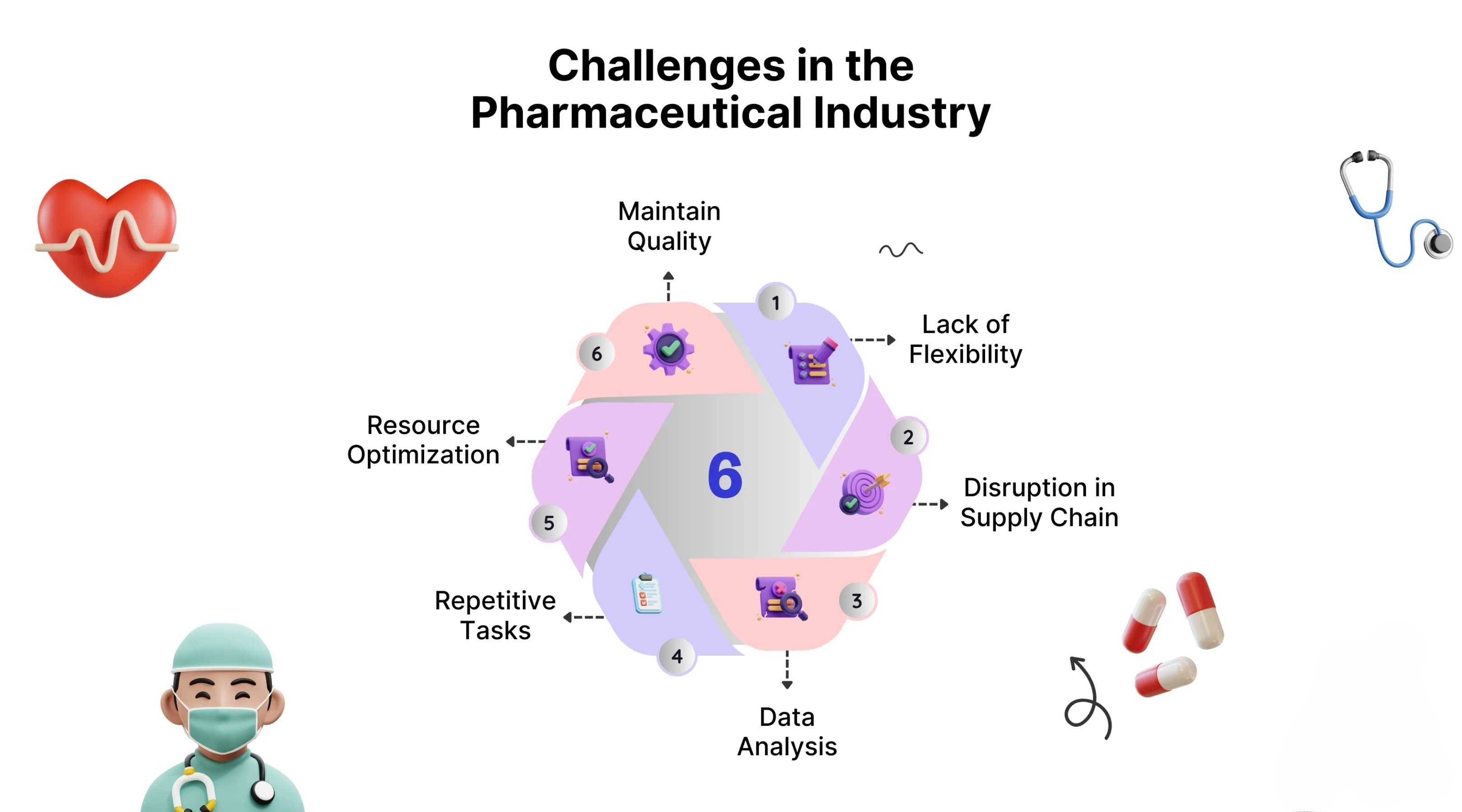
Ensuring consistent product quality is vital in pharmaceuticals. Strict regulations require companies to maintain detailed records and perform rigorous quality checks, which can be managed effectively through an ERP system.
Pharmaceutical companies often face challenges adapting to market changes, new regulations, or innovations. Legacy systems lack the flexibility that modern pharmaceutical ERP systems provide.
Supply chain disruptions, caused by global or local events, can affect production timelines and lead to losses. ERP systems enhance supply chain visibility, helping companies proactively manage risks.
Inaccurate or delayed data analysis can hinder decision-making. ERP in pharma industry provides real-time data insights, enabling informed decisions that drive growth and compliance.
Manual and repetitive processes increase the risk of errors. ERP automates these tasks, improving productivity and ensuring consistency across operations.
Pharmaceutical companies often struggle with resource allocation. ERP systems enable efficient resource management, reducing waste and optimizing productivity.
Choosing the right ERP system involves evaluating specific needs such as scalability, integration capabilities, and compliance features. A robust ERP system should:
The future of ERP for pharmaceuticals lies in innovation and scalability. Advanced features like AI integration, IoT connectivity, and cloud-based solutions will enable companies to:
Implementing pharmaceutical ERP systems is not just a strategic move but a necessity for companies aiming to thrive in a competitive and regulated market. ERP systems address industry challenges, streamline operations, and pave the way for innovation. By embracing these solutions, pharmaceutical companies can ensure sustained growth and compliance.
Achieve new heights with solutions tailored to your goals in AI, ERP, CRM, Business Consultancy, and Marketing. Whether you’re focused on efficiency or reaching a broader audience, our team is ready to make it happen.
Looking for a custom ERP waste management software development for your recycling industry? Get ERP Fast Track - ...

Get ERP Fast Track : Best ERP pharma software solution for your pharmaceutical industry, medical, and healthcare business...

Opt for ERP Fast Track : top ERP software for manufacturing industry, to empower small business types to large-scale production companies today...

Healthcare industries all over the world are centric on patients and their proper treatment and care. The implementation...
Looking for the best ERP waste management solution? Explore cloud-based, open-source, and customized ERP Fast Track ...

Are you fed up with manual processes & looking for the best manufacturing ERP software to automate your production? Get ERP Fast Track ۔۔.

Looking for the best ERP for educational institutions? Get ERP Fast Track : an open-source cloud-based ERP system for ۔۔۔

Get ERP Fast Track : the best education ERP software & academic learning management system for your school, college,...

Explore Infonet’s ERP Fast Track - an open-source cloud ERP waste management software solution for recycling industries۔۔.

The right choice of Pharmaceutical ERP Software plays an important role in streamlining operations, ensuring ۔۔۔

Pharmaceutical ERP software is specialized and enables optimizing the pharma enterprise's operation. Its sports ,...

ERP for Pharma helps pharmaceutical groups streamline operations, make sure compliance, and pressure increas۔۔.
Implementing ERP for pharmaceuticals can streamline operations, improve compliance, and optimize resource ۔۔۔
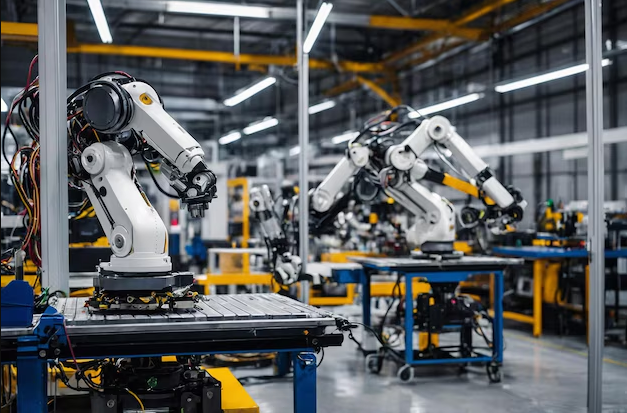
In the fast-paced world of manufacturing, managing production schedules, inventory, and financials can be...
Manufacturing ERP systems play a critical role in the digital transformation of the manufacturing industry. These system۔۔.

In the manufacturing industry, efficiency, precision, and scalability are non-negotiable. Investing in a robust۔۔۔
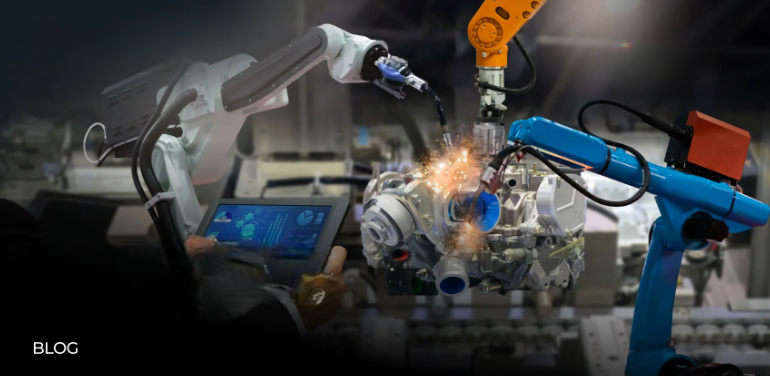
In the dynamic manufacturing world, ERP Fast Track : the best manufacturing ERP software, has come up as ...

Healthcare industries all over the world are centric on patients and their proper treatment and care. The۔۔.