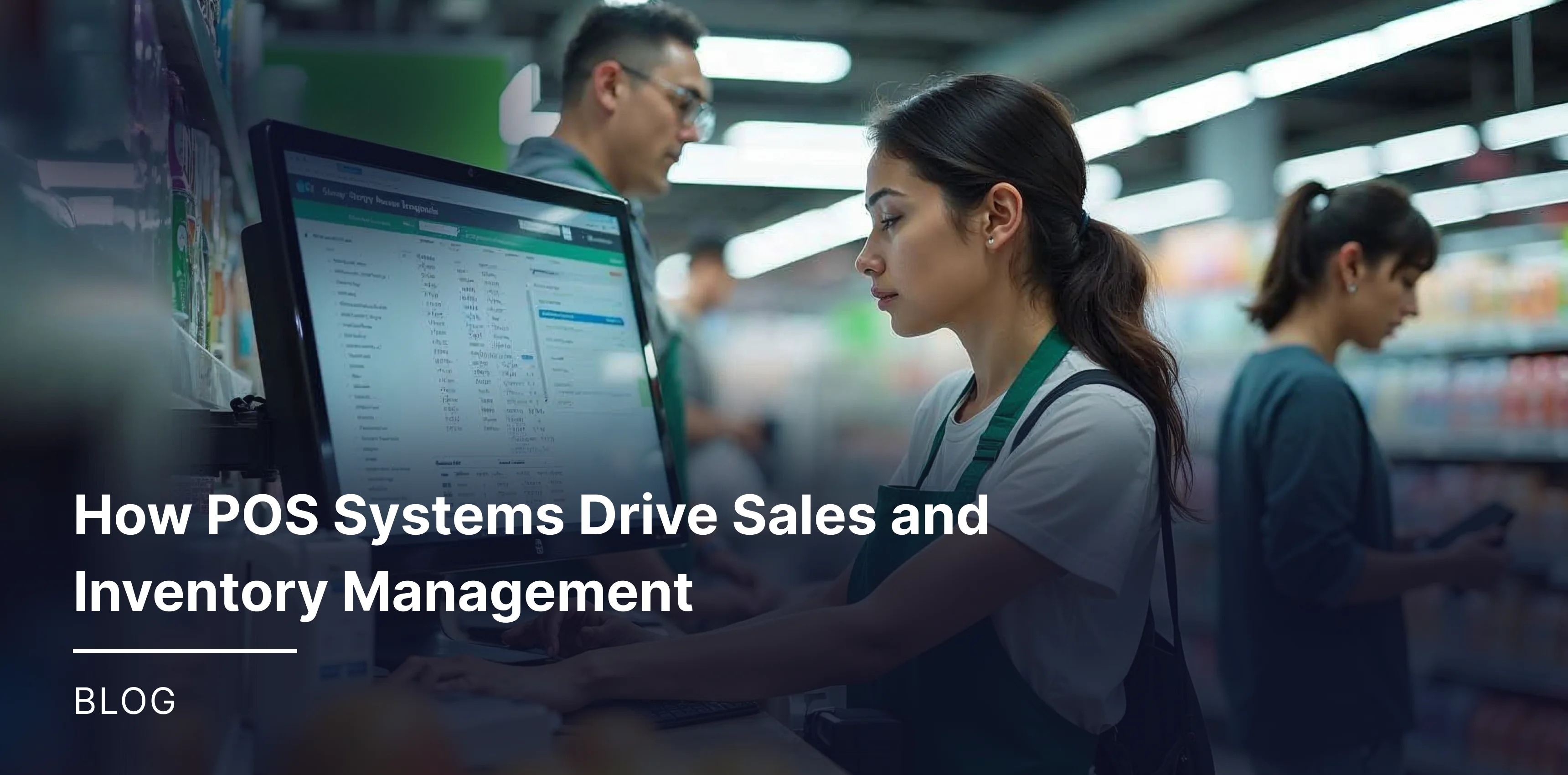
The number of trouble is pressed and they begin to hold their preferred List Level until it is lost. The most powerful method is to sell. These are the lan Resource systems but are essential to Khudra List Management. They follow the materials at real time, the methods of working praise the products, and the vendors will help them with a profound influence. The bottom of the bottom? The mistake is reduced, stockout, high, and useful.
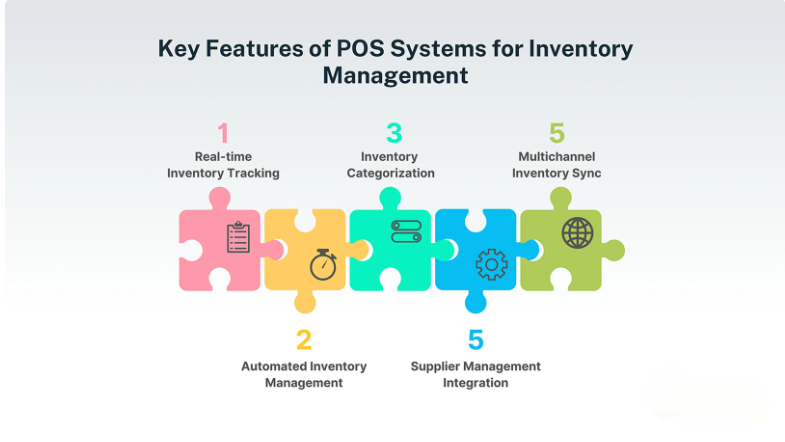
Real-time stock tracking is taken into consideration to be one of the most precious features of present day POS structures. Retailers can reveal their stock levels at once and understand always what’s in inventory and what wishes replenishing. This minimizes the hazard of overstocking and avoids stockouts. With retail stock management software program, organizations could have a real-time evaluation in their stock, making restocking decisions much greater informed.
POS systems help automate some of the inventory management aspects. With every sale, the inventory levels are automatically updated through a POS system, reducing the error of human beings. This saves much time and ensures accuracy at any time in the inventory counts. Retailers can also set up automatic reorder triggers once they reach a minimum threshold, thereby keeping the stock of the most popular products intact and not letting them go completely out of stock.
POS systems can categorize inventory based on various factors, including product type, sales performance, and more. This categorization allows businesses to analyze product movement patterns and determine which items are top-sellers or slow-moving. With this insight, retailers can adjust their inventory strategy, focusing on high-demand products while minimizing stock on low-demand items.
Integration with provider control is another important benefit of POS systems. This characteristic allows retailers to hyperlink their POS gadgets with dealer databases, making it simpler to track orders and deliveries. By streamlining communication with suppliers, retailers can ensure a smoother, greater green inventory replenishment manner, lowering the probability of walking low on inventory.
Most retailers sell through several channels: in-store, on online marketplaces, and e-commerce sites. A contemporary POS can reconcile inventory across all channels in real time. Stock levels are thus always up to date, eliminating the risk of overselling or stock discrepancies as orders arrive from different channels, making the whole process smooth for both the retailer and the customer.
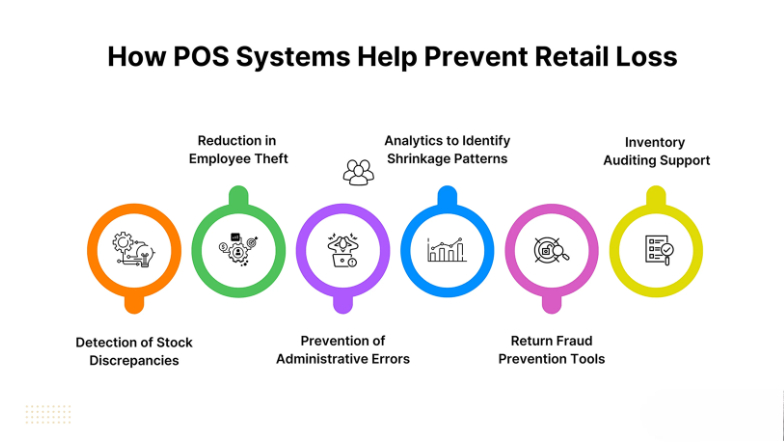
A major advantage of POS systems is the speed at which they can detect stock discrepancies. If the inventory does not match the sales records, the POS system flags this, and retailers can then look into the cause. It could be due to theft, administrative error, or miscounting; in any case, the system will help businesses identify and correct the issue in time to prevent further loss.
Employee theft is the primary cause of retail loss. POS systems fight this by keeping a record of every transaction, which informs the system of all anomalies including voided sales and marked-down items. The POS systems can also be set up to deny employees access to performing specific functions within it, therefore minimizing chances of fraudulent activity.
In retail, human errors are the source of significant losses, especially concerning inventory tracking. POS systems will eliminate much of this risk as they automate updates on inventory through every transaction, thus reducing mistakes in inventory counts, purchase orders, and stock levels, avoiding administrative errors that would cause stock shortages or overstocks.
Indeed, modern POS systems come with advanced analytics tools that help retailers identify the underlying and related patterns of inventory shrinkage. Transaction data combined with reports about inventory ensure businesses can find trends that might point to theft or inefficiency in such processes. A data-driven approach enables targeted strategies on loss reduction.
The other aspect is return fraud prevention. POS systems track every return transaction and flag suspicious returns, including items without receipts or excessive requests for returns. By integrating fraud prevention tools, businesses can reduce the impact of return fraud on their bottom line.
Regular inventory auditing ensures accuracy and loss prevention. A POS system makes inventory auditing possible by ensuring all inventory transactions are recorded in an accurate way. Retailers can easily compare physical counts to the system’s records, and thus discrepancies become easy to notice for inventory accuracy.
POS structures are no longer best a income-processing device but have now end up an fundamental a part of handling retail inventory and preventing loss. With features such as actual-time tracking, automated management, and techniques for loss prevention, outlets make certain that their inventory is constantly correct to reduce waste and enhance profitability. By making an investment in a reliable POS device, stores can beautify the performance of operations, streamline approaches, and save you their enterprise from the high-priced impact of loss.
Say goodbye to outdated cash registers and switch to an advanced POS system. Get real-time analytics, seamless transactions, and effortless inventory management.